Florida, the Sunshine State, has long been a magnet for those seeking a vibrant lifestyle, stunning natural beauty, and a strong sense of community. From its pristine beaches to its bustling cities, Florida offers a diverse range of experiences that cater to every taste. And for homebuyers, the allure is stronger than ever.
One of the most significant draws is, of course, the weather. With year-round sunshine and mild winters, Florida provides an escape from colder climates, making ita haven for retirees and families alike. Imagine waking up to the gentle ocean breeze or enjoying an evening stroll along the coastline – a daily reality for many Floridians.
Beyond the climate, Florida boasts a robust and diverse economy. Thriving industries like tourism, technology, and healthcare offer ample employment opportunities, attracting professionals from across the country. This economic growth, coupled with a favorable tax environment (no state income tax!), makes Florida an attractive place to live, work, and invest.
The lifestyle in Florida is as varied as its landscapes. For outdoor enthusiasts, there’s an endless array of activities, from water sports like boating, fishing, and paddleboarding to world-class golf courses and extensive nature trails. Culture hounds will appreciate the vibrant arts scenes in cities like Miami, Orlando, and St. Petersburg, offering museums, theaters, and live music venues. And let’s not forget the theme parks, a major draw for families seeking unforgettable experiences.
When it comes to real estate, Florida offers a wide spectrum of options. Whether you’re dreaming of a luxurious beachfront condo, a spacious family home in a suburban community, or a tranquil retreat overlooking a golf course, the state has something to fit every budget and desire. Communities are often designed with amenities in mind, featuring swimming pools, fitness centers, and social clubs that foster a strong sense of belonging.
Ultimately, Florida offers more than just a place to live; it offers a lifestyle. It’s a place where you can create lasting memories, enjoy a high quality of life, and truly find your slice of paradise.
If you are considering a move, retirement or investing in rental units contact us for free information, activities and more. https://thebestfloridahomes.com/ 321-229-1217 dawoodinc@gmail.com
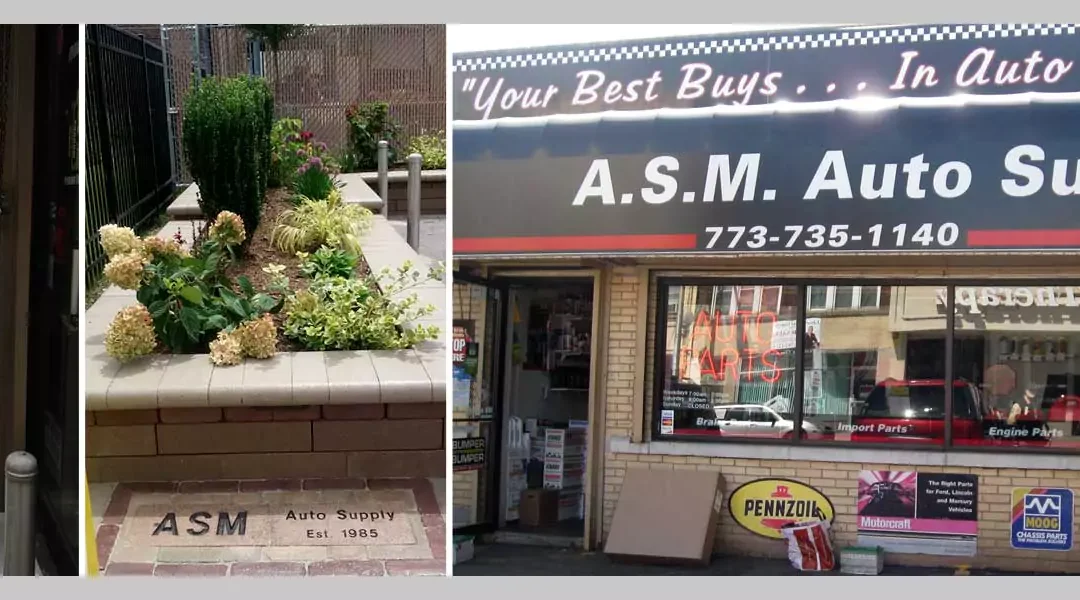
If you’re tired of the same old big-box auto stores, you need to check out ASM Auto Parts. Tucked away in the Clearing neighborhood on West 63rd Street, this place is a total hidden gem for anyone who loves working on cars.
Think of them as your friendly neighborhood pit crew. Whether you just need the basics like oil, batteries, and filters, or you’re hunting for something a bit more obscure, they’ve got you covered. What’s really cool is their stash of vintage OEM parts—brand new, but out-of-production stuff that you simply can’t find elsewhere. It’s a goldmine for restoration projects!
But the best part? The vibe is genuinely helpful and local. They usually beat the prices of the big chains like Autozone, and they even offer sweet perks like free rotor grinding and free local delivery. Plus, they open at the crack of dawn (5:30 AM!) Monday through Saturday, perfect for getting a jump on your weekend repairs.
Next time you need a part, skip the corporate giants and support a local business that actually knows their stuff. Give them a call or swing by—they’re ready to help you get back on the road!
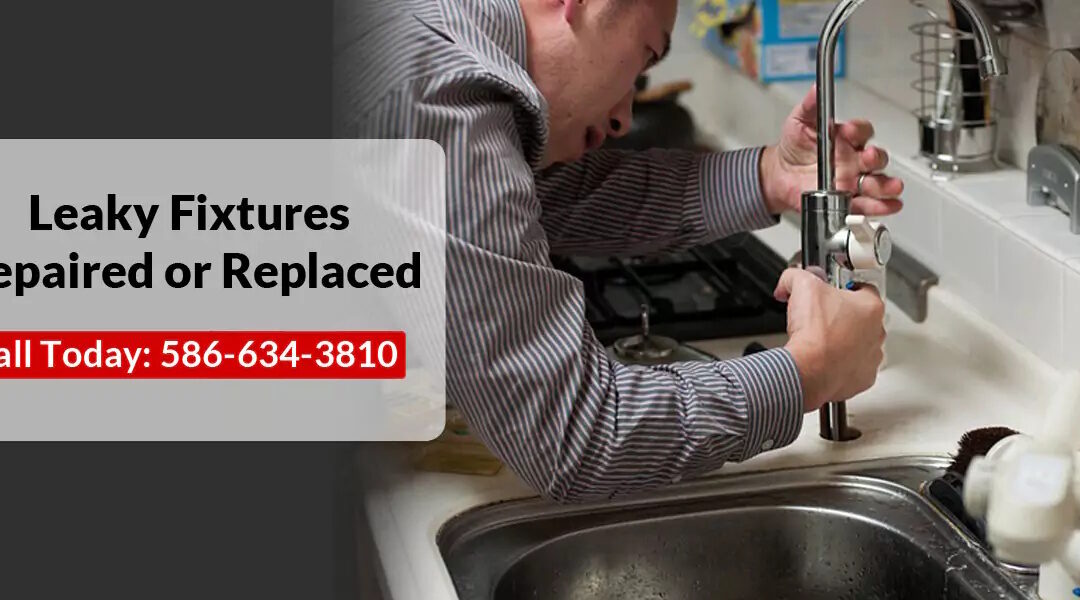
Don’t Sweat the Small Drips: Your Friendly Neighborhood Plumbers are Here! 🛠️
Let’s be real, plumbing issues are a total headache. A leaky faucet keeping you up? Drain refusing to cooperate? Maybe you’re dreaming of a beautiful new bathroom, but the thought of tackling the pipes makes you dizzy. Relax! Cones Plumbing, your licensed and local Clay Township pros, have got your back.
We’re a family-owned business—and a proud Air Force Veteran-owned one, at that—meaning we value honesty, fast service, and fair prices. Forget those huge, impersonal companies; when you call us, you deal directly with the owner, Will. We handle everything from the dreaded clogged drain and sewer rodding to hot water heater repairs and those crucial sump pump replacements. Need flood control? We do that too!
Call us today!
586-634-3810
I wish this was my business front door!
The New Front Door to Your Business
We’ve been saying for years that your Google Business Profile is the front door to your business, and updates to your profile are more important than ever.
- Post updates, photos, and Q&A’s regularly that give AI something new to work with. Stale profiles don’t get recommended as often
- Add new and fresh videos regularly
- Change or tweak your website message regularly
- Ask for positive reviews from customers and contacts
- Verify and change keywords, as the best ones change over time
- Always remember there is also Bing running parallel with Google, and it is worthwhile adding and keeping it fresh, as well
It takes a lot of time investment to keep a top performing website on top, and even more to orient a poor performing site to achieve top ranking. We offer monthly maintenance services that will help to increase your Google and Bing rankings. Call and lets discuss how to achieve this for your website.
Here are some handy code snipets to add to the html code of your web site:
TO ADD THE YEAR (and it auto updates based upon the year set on your local computer)
<script type=”text/javascript”>var d = new Date();document.write(d.getFullYear());>
TO ADD THE COPYRIGHT CHARACTER ©
©
CODE TO PUT IT ALL TOGETHER (editing my information and inserting yours)
Copyright © script type=”text/javascript”>var d = new Date();document.write(d.getFullYear());
<a href=”https://ameriwebhosting.com/” target=”_blank”>Designed and Managed by Ameriweb Hosting – Plainfield, IL>
WILL DISPLAY AS:
Copyright © 2026 Designed and Managed by Ameriweb Hosting – Plainfield, IL
We have hundreds of different snippets we rely on in our coding tasks. Need something specific? Contact us and we will see if we can find what you need.

Who invented the shopping cart?
Sylvan Goldman, the Oklahoma grocer who invented the shopping cart in 1937, had a problem that prevented him from increasing sales at his store. The women who frequented Goldman’s stores (and in the 1930s, they were mostly women) stopped buying when their hand baskets were full. I can imagine Goldman sitting in his office after a long Saturday, thinking about the problem and thinking, “How can I grow my business by making it easier for these women to shop?”
With a larger basket, his customers could buy more things. Since the basket would be too heavy to lift, Goldman put it on wheels, using a folding chair for the frame. His “prototype” was a bit bulky, but Goldman thought it was good enough for a market test.
Like most entrepreneurs, Goldman found that his target market was extremely resistant to change. He studied his customers’ complaints: women said the cart reminded them of a baby stroller, and men objected because pushing a cart didn’t seem “manly enough.”
Convinced he had a good idea, Goldman hired men and women to push the carts. He also added an assistant to offer the carts to customers at the entrance to the store. It worked. The carts caught on, Goldman patented his invention, and made enough money to become one of Oklahoma’s multimillionaire philanthropists.
Goldman also sought to grow his business by offering better service to his customers. And like any successful entrepreneur, he had a solid exit strategy, licensing his shopping cart patent to a company that improved the product to the telescoping baskets we use today.
Visit our BLOG for more articles like this one!
https://ameriwebhosting.com/blog/